 Loading... Please wait...


Recent Posts
What Not to Do with Puppy Potty Training
Posted on
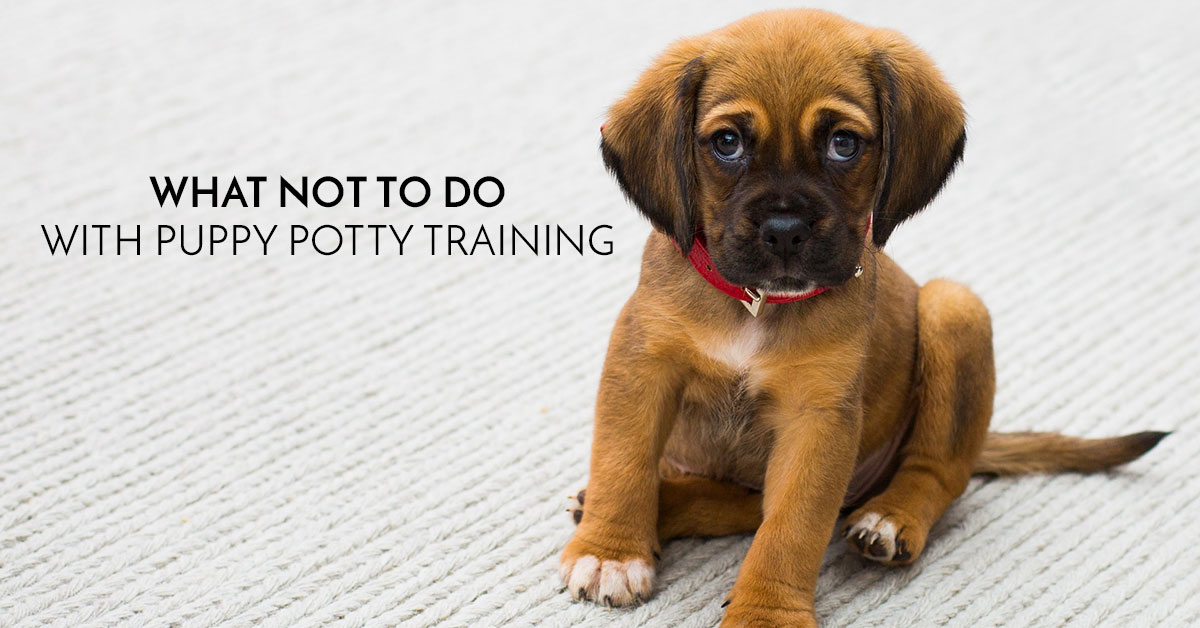
It’s a tragic fact, but one of the main reasons a dog is dropped off at the shelter is because of a failure to potty train. Maybe the former owner thought it was too much work, or maybe they expected the dog to get the idea immediately, like cats with their litter boxes. Maybe they just didn’t want to deal with puppy pads during training. As a result, a dog who simply doesn’t know any better loses their forever home, and might end up euthanized.
We have a problem with that. A big one. It’s been our experience that there are hardly any bad dogs out in the world, but there are bad owners. They don’t mean to be, and their hearts are frequently in the right place. They just don’t know how to communicate with their dog effectively. That’s the bad news, but the good news is that change is possible, you just have to recognize the mistakes first. As a result, read on for a few tips about what not to do during the puppy potty training process.
- For decades, the “accepted wisdom” was that when your puppy had an accident in the house, you’d rub his nose in it and tell him, “No.” The thing is, that doesn’t solve the problem, and it makes you look like an insane person to your dog. Instead, as soon as you see an accident, take your dog outside. When he does his business out there, give him lots of positive attention. He’ll get the idea before you know it.
- Our dogs can communicate with us, we just have to be smart enough to understand what they’re saying. Too often, owners wait too long to give their dog an out and end up setting them up for failure. Puppies in particular can only hold it for 1-2 hours. Look for cues from your puppy, like sniffing around, scratching at the door, or whining. When you see that, you know it’s time to go out.
- Consistency is key when it comes to puppy training, but too many owners are inconsistent. As a result, their dogs don’t have clear expectations set up and have a hard time learning. To make life easier, set up a schedule for your puppy and stick to it. Go out around the same times daily, and make sure everyone in the household is doing the same thing. Sure, you can break the schedule to go on adventures at the park, just stick with it regularly.
- Just like small children, puppies thrive when they are in a structured environment. But when they are given too much freedom too quickly, problems are bound to pop up. Along with the schedule, use baby gates and closed doors to block off certain rooms in the house. Get a crate or set up a small area that’s just for your puppy to hang out in during bedtimes and times when you’re gone. If you are going to be gone for several hours, ask a friend or family member to take the puppy out.